Project Details
Role: Lead Product Designer & Founding Designer (Solo UX/UI)
Scope: End-to-End Product Design, UX Research, Mobile App UI (iOS/Android),
Key Outcome: Transformed a fragmented prototype into a guided multi-step host wizard and a seamless guest checkout, eliminating critical task drop-offs.
Context
Upcar is a mobile-first car rental platform that connects guests with trusted local car owners.
The challenge was not just to make the platform look premium, but to solve critical usability failures in host listing and guest booking flows that directly impacted inventory, bookings, and revenue.
The Problem
The main issue facing the platform was fragmentation.
Host Friction: Hosts struggled to list their cars because the listing flow felt long, unclear, and broken across too many steps.
Guest Friction: Guests experienced a confusing booking process where pricing, delivery details, and next actions were hidden or unclear.
Drop-offs: Users frequently lost progress during their journey, damaging platform trust.
Marketplace Risk: If hosts cannot list efficiently and guests cannot book confidently, marketplace liquidity stalls and growth stops.
Research &
Strategic Decisions
By analyzing user journey drop-offs, observing user behavior, and mapping friction points, the key insight emerged: The issue wasn't a lack of features, but a lack of clarity.
Design Decisions Made:
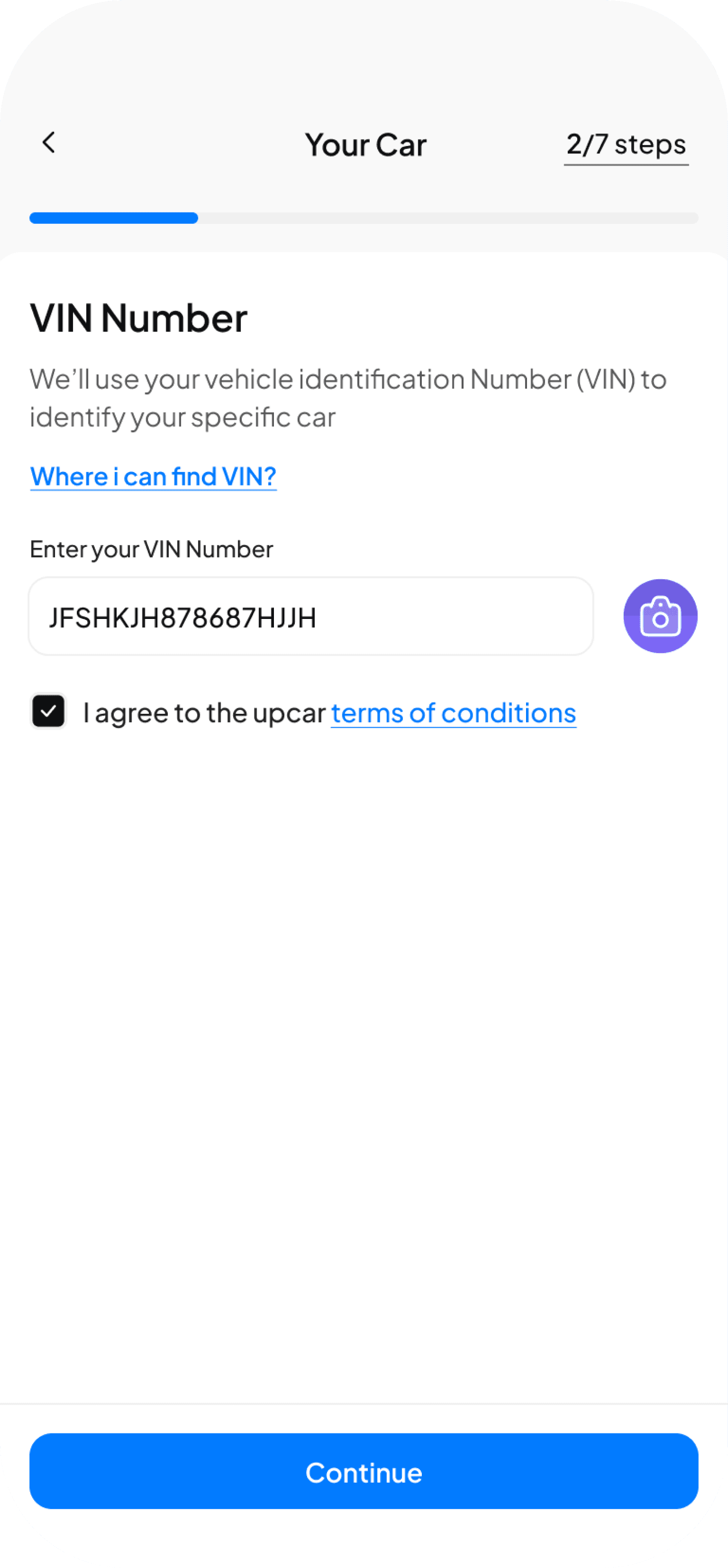
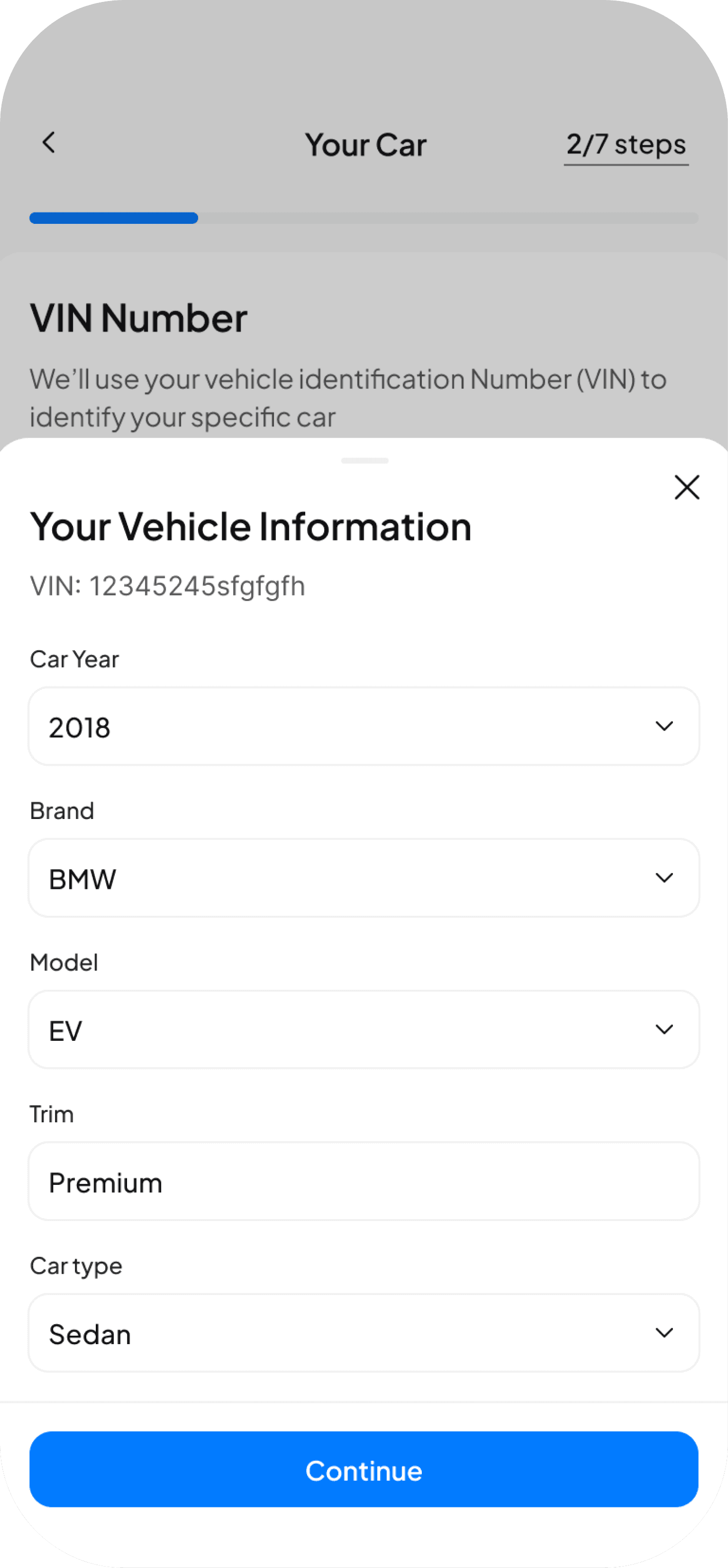
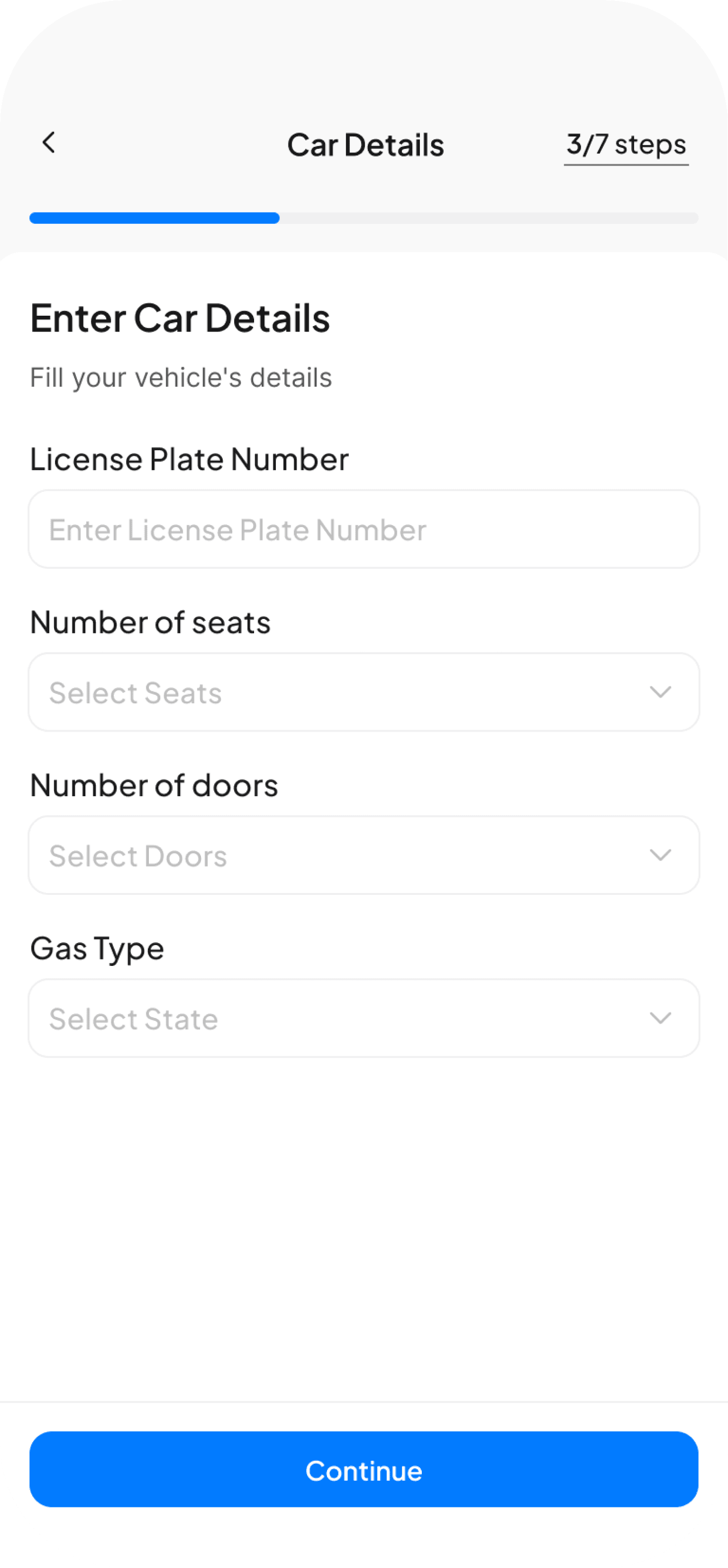
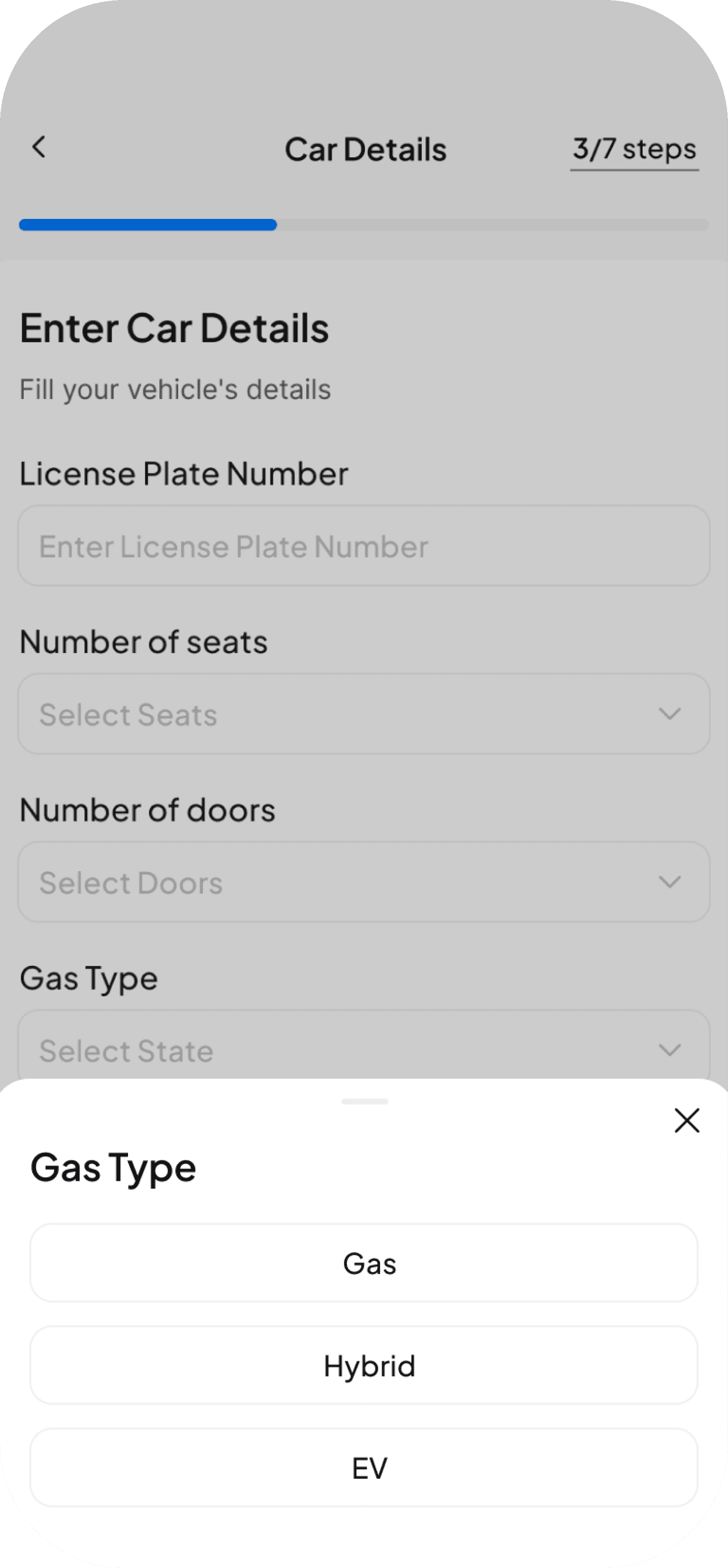
Guided Listing: Converted the host listing flow into a structured, step-by-step experience.
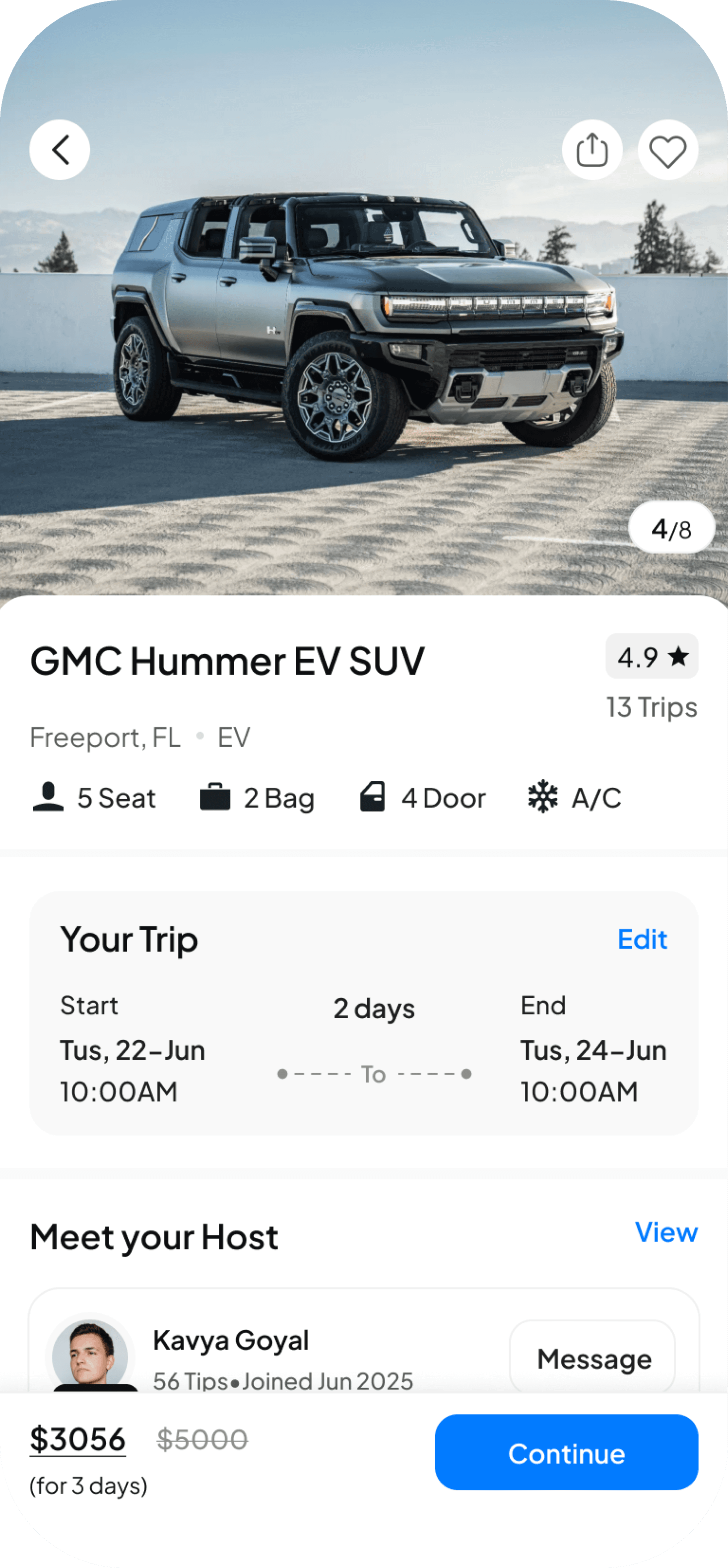
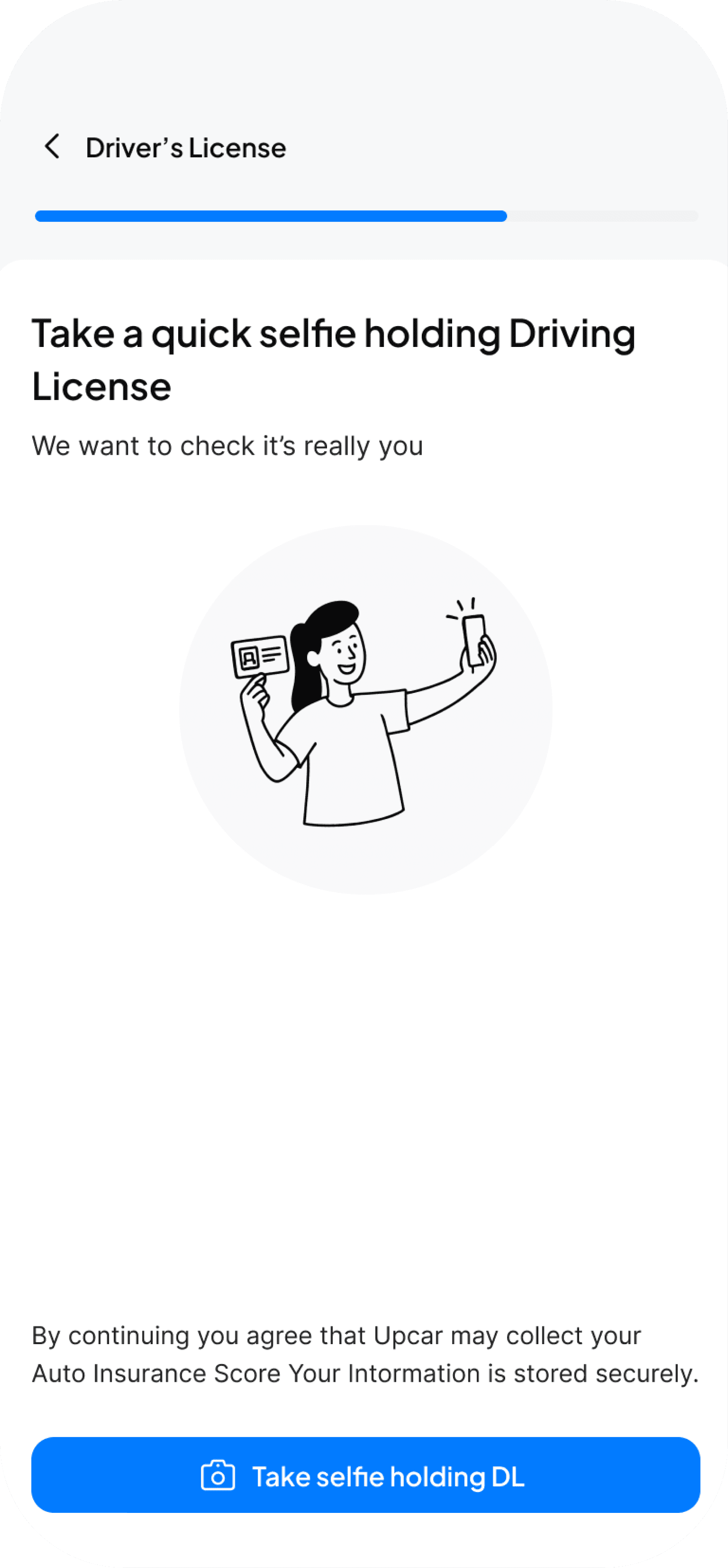
Checkout-Style Booking: Streamlined guest booking into a familiar single-flow checkout.
Early Trust Signals: Surfaced transparent pricing, insurance, and delivery details upfront.
Focus on Primary Actions: Reduced unnecessary decisions by keeping one clear primary action per screen.
Key Metrics
Success Metrics
UX Metrics: Listing completion rate, booking completion rate, onboarding drop-off reduction, time-on-task.
Business Metrics: Total published cars (supply), completed bookings (demand), marketplace liquidity, and increased trip revenue.
The Solution
Host Listing Flow










Payment Summary
Subtotal
$200.95
Protection Discount
-$45.95
600 Miles Included
Free
3-day discount
-$45.00
Standard Protection
$100.40
Trip Total
$210.40
Security Deposit
Refundable
$200
A $200 security Deposit hold will be applied to your card which will be released automatically after trip
Get approved for no deposit
Card Charged
410.40
Total savings: $90.00
Payment Options
Pay Now
$600.33
Pay Later
$0
Choose to pay later and you will be charged the full amount on Sun,Nov 2, 2025
Free Cancellation
Full refund before Tue, Jun 17th 10:00am

40+ ❖ Component
Showing a few examples from 40+ components.
Outcome & Learnings
Highlights & Impact
Significantly improved task completion rates for both hosts and guests.
Removed friction across critical revenue-generating flows.
Established a premium, high-trust brand foundation for launch.
Key Takeaways
In a two-sided marketplace, usability isn’t just a UX metric—it’s a revenue driver. Designing clarity into core flows was the fastest path to business viability.

Download the Upcar app
Get the app now, just scan the QR code or hit the download button below.
Scan the QR code


Thank you for Reading!
I would be happy to hear your feedback